
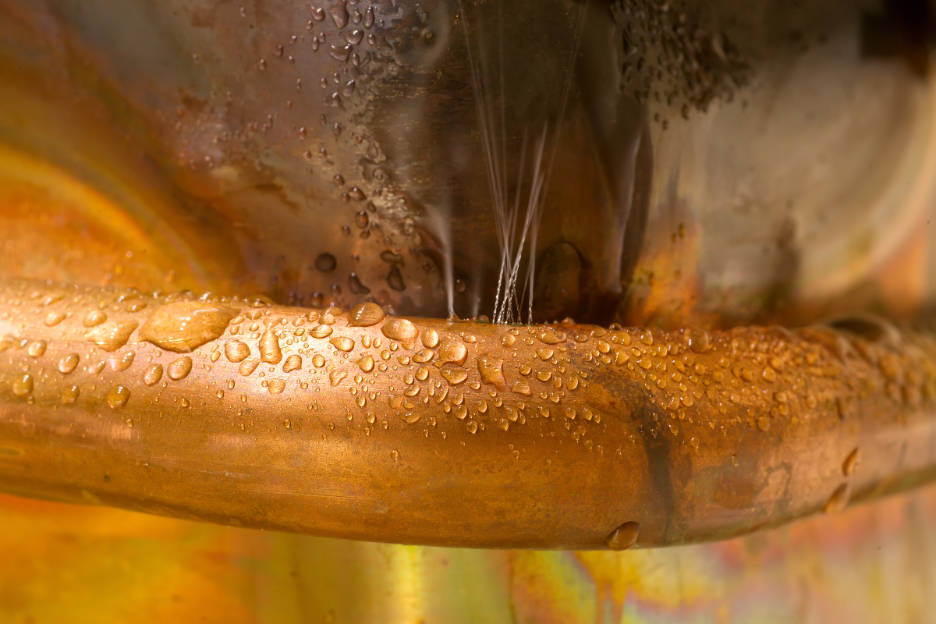
A leaking pipe can start as a small drip, but it should not be ignored. Even a slow leak can damage cabinets, flooring, drywall, ceilings, insulation, or nearby belongings if water continues to spread. Some leaks are easy to spot, while others are hidden behind walls, under sinks, below floors, or near plumbing connections.
If you notice water stains, dripping sounds, musty odors, low water pressure, or unexplained moisture, it is important to act quickly. Below, this residential plumbing contractor in Glenview, Illinois is going to explain what to do if you have a leaking pipe, and when professional plumbing service may be needed.
The first thing you should do is try to stop or limit the water. If the leak is near a fixture, look for a local shutoff valve under the sink, behind the toilet, or near the appliance and turn it off.
If you cannot find a local shutoff valve, or if the leak is more serious, you may need to turn off the home’s main water supply. Once the water is off, move nearby items out of the area and begin drying any standing water.
For homeowners in the Glenview area, acting quickly can help limit water damage while you arrange for the pipe to be inspected.
You may be able to identify the leak by looking for dripping water, wet spots, puddles, stains, bubbling paint, warped flooring, or damp cabinets. In some cases, the source is obvious, such as a loose connection under a sink.
Other leaks are harder to find. Water can travel along pipes, walls, ceilings, or framing before it becomes visible. That means the wet spot you see may not be directly below the actual leak.
If the source is not clear, it is best to have the plumbing system evaluated.
A leaking pipe may be an emergency if water is spreading quickly, the leak cannot be stopped, the ceiling or walls are becoming saturated, or the leak is near electrical components.
It may also be more serious if the pipe has burst, if multiple areas are affected, or if water is damaging floors, cabinets, or finished spaces. The longer water continues to run, the more damage it can cause.
A professional residential plumbing contractor in Glenview, Illinois can determine the source of the leak and recommend the right repair.
You should limit water use until you understand where the leak is and how serious it may be. Running faucets, showers, dishwashers, washing machines, or toilets can add more water to the plumbing system and may make the leak worse.
If you have turned off the main water supply, avoid turning it back on until the pipe has been inspected or repaired. If you only shut off one fixture, be careful with nearby plumbing until you know whether the leak is isolated.
Reducing water use can help prevent additional damage while you wait for service.
Start by removing standing water if it is safe to do so. Towels, a mop, or a wet/dry vacuum may help, depending on the amount of water present.
Move furniture, rugs, stored items, and personal belongings away from the wet area. If water has reached drywall, flooring, cabinets, or ceilings, those materials may need to be dried and evaluated carefully.
The plumbing repair is the top priority, but drying the area quickly is also important.
Leaking pipes can be caused by corrosion, worn connections, loose fittings, high water pressure, freezing and thawing, damaged seals, old pipes, clogs, or movement in the plumbing system.
Some leaks develop slowly as materials wear down over time. Others happen suddenly because a pipe cracks, bursts, or separates at a connection.
The cause of the leak will affect whether the pipe can be repaired, tightened, sealed, or replaced.
Yes. A small leak can become a bigger problem if it is not repaired. Water can continue damaging surrounding materials, and the pipe itself may weaken further.
Small leaks can also lead to mold concerns, musty odors, stains, and hidden damage if moisture remains trapped behind walls or under floors.
A good residential plumbing contractor in Glenview, Illinois can inspect the leak and help prevent a minor issue from turning into a larger repair.
You may be able to take temporary steps, such as shutting off the water, placing a bucket under the leak, or wrapping the area to reduce dripping until a plumber arrives. However, temporary measures should not be treated as a permanent repair.
A leaking pipe needs to be properly diagnosed. What looks like a simple drip could be connected to a larger issue, such as corrosion, pressure problems, or damage inside the wall.
Professional repair helps make sure the problem is addressed at the source.
A plumber can inspect the pipe, identify the source of the leak, and determine the right repair. Depending on the situation, they may tighten a fitting, replace a damaged section of pipe, repair a connection, address corrosion, or investigate pressure-related issues.
If the leak is hidden, the plumber may need to trace the water path and check nearby plumbing components. The goal is to stop the leak and reduce the chance of it returning.
Once the repair is complete, the affected area should continue to be monitored for moisture.
If you have a leaking pipe, start by shutting off the water, limiting water use, drying the area, and watching for signs of hidden damage. If the source is unclear or the leak continues, a residential plumbing contractor in Glenview, Illinois can identify the problem and complete the right repair.
At John J. Cahill Plumbing, Heating & Air Conditioning, our licensed plumbers repair leaking pipes, damaged connections, corroded pipes, clogged drains, water heaters, and other residential plumbing issues. Contact us to stop the leak and protect your home from ongoing water damage.