
Choosing a new water heater is not always as simple as replacing the old unit with the same type. Some homeowners prefer the familiar setup of a traditional tank water heater, while others want to know whether a tankless system could better support their household’s hot water needs. The right choice depends on how your home uses hot water, where the system will be installed, and what kind of performance you expect every day.
Below, this water heater replacement company in Northfield, Illinois is going to explain the main differences between tank and tankless water heaters.
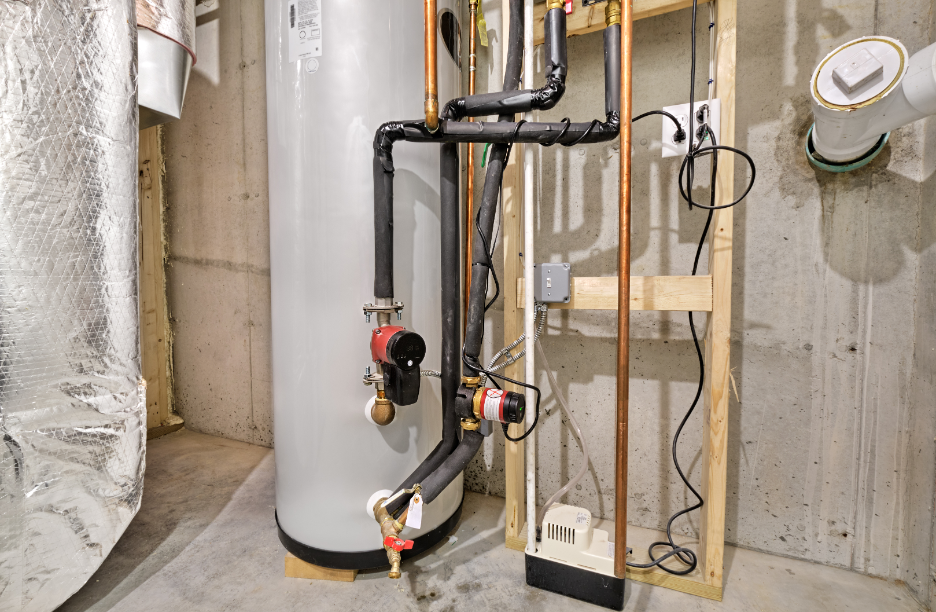
A tank water heater stores heated water in a tank so it is ready when you turn on a faucet, shower, dishwasher, or washing machine. Once hot water is used, the tank refills and heats the new water for the next use.
Tank water heaters are common in many homes because they are familiar, straightforward, and available in different sizes. The size of the tank matters because it affects how much hot water is available before the system needs time to recover.
A good water heater replacement company in Northfield, Illinois can review your household’s hot water demand and help determine whether a tank-style system is still the right fit.
A tankless water heater heats water as it flows through the unit instead of storing hot water in a tank. When you turn on a hot water fixture, the system activates and heats the water on demand.
This can make a tankless system appealing for homeowners who want a more compact unit or who want hot water production that is not limited by a storage tank. However, tankless systems still need to be properly sized. If too many fixtures are used at once, the unit may not be able to keep up with the full demand.
The main difference is how the water is heated: a tank system stores hot water, while a tankless system heats water as needed.
The answer depends on how your household uses water. A properly sized tank water heater can provide a steady supply of hot water until the tank is depleted. After that, the system needs time to heat a new supply.
A tankless water heater can continue heating water as long as demand stays within the unit’s capacity. This can be useful for some households, but it does not mean every tankless system can handle every hot water need at the same time.
For homeowners in the Northfield area, the best choice often depends on the number of bathrooms, the size of the household, the types of fixtures in the home, and whether hot water is often used in several places at once.
Tank and tankless water heaters can have different installation requirements. A tank water heater needs space for the storage tank and proper connections for water, venting, fuel or electrical service, and drainage.
A tankless water heater is usually smaller, but the installation may still require careful planning. Depending on the home and the system selected, updates may be needed for venting, gas lines, electrical service, water lines, or drainage.
At John J. Cahill Plumbing, Heating & Air Conditioning, our licensed plumbers can evaluate the existing setup before replacement so the new system is installed correctly and matched to the home’s needs.
A tankless water heater typically takes up less physical space than a traditional tank system because it does not need a large storage tank. This can be helpful in homes where the mechanical area, basement, closet, or utility space is limited.
A tank system, on the other hand, needs enough room for the tank itself and enough access for service, replacement, and safe operation. If the current tank is in a tight or awkward location, space may become part of the replacement conversation.
The available installation area should be reviewed before choosing a new system. A smaller unit does not automatically mean the installation is simpler.
Energy efficiency should be reviewed carefully because tank and tankless systems operate differently. A tank water heater keeps stored water heated so it is available when needed. A tankless water heater heats water on demand, which can reduce standby energy use.
However, efficiency is only one part of the decision. The right system also has to fit the household’s hot water demand, the home’s existing plumbing and utility connections, and the homeowner’s expectations for daily performance.
Your water heater replacement company in Northfield, Illinois can help compare system options without focusing only on one feature. A water heater should be selected based on the full picture of how the home uses hot water.
A water heater may need replacement when it can no longer provide enough hot water, produces inconsistent temperatures, leaks, makes unusual noises, or requires frequent repairs. Rusty or discolored water can also be a warning sign that the system needs attention.
If your current water heater is struggling, replacement gives you an opportunity to decide whether a tank or tankless system makes more sense going forward. The best time to compare options is before the existing unit fails completely.
At John J. Cahill Plumbing, Heating & Air Conditioning, our team can inspect the current system, explain what may be causing the problem, and help you choose a replacement that fits your home.
Tank and tankless water heaters both provide hot water, but they do it in different ways. A tank system stores heated water for later use, while a tankless system heats water as it is needed. A trusted water heater replacement company in Northfield, Illinois can help you compare performance, space, installation needs, and household demand before choosing a new unit.
At John J. Cahill Plumbing, Heating & Air Conditioning, we help homeowners replace aging water heaters with properly installed systems that support daily comfort and reliable hot water. Contact us to schedule water heater service and choose the system that best fits your home.