
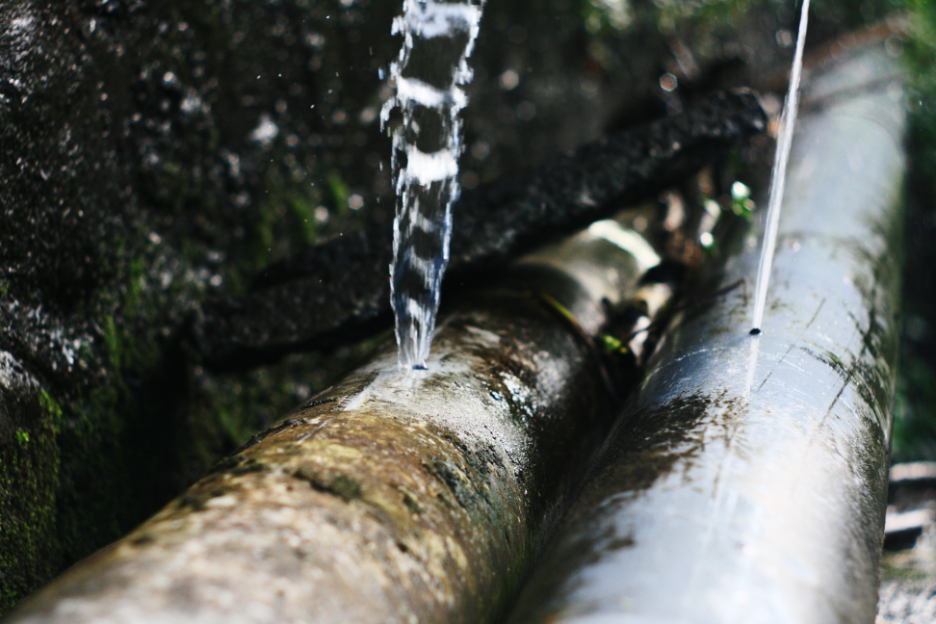
A burst pipe can quickly create a stressful situation inside your home. Water may spread into walls, floors, ceilings, cabinets, and other areas before you have time to fully understand where the problem started.
When this happens, it is important to act quickly and carefully. Below, this emergency plumber in Skokie, Illinois is going to explain what you should do if a pipe bursts in your home.
The first step is to stop more water from entering the damaged pipe. In most homes, this means turning off the main water shutoff valve.
The main shutoff valve is often located in a basement, utility room, crawl space, garage, or near where the water line enters the home. If you know where this valve is before an emergency happens, you can respond much faster when something goes wrong.
After shutting off the water, open a few faucets to help relieve pressure in the plumbing system. This may help reduce additional leaking while you wait for repairs.
Water and electricity are a dangerous combination. If the burst pipe has caused water to spread near outlets, appliances, light fixtures, electrical panels, or exposed wiring, avoid touching anything in that area.
If it is safe to do so, turn off power to the affected area from the breaker panel. If you are unsure whether it is safe, stay away from the area and wait for a professional. Protecting yourself and your family should come before trying to clean up the water.
Once the water is shut off and the area is safe, contact a plumber. A burst pipe is not something homeowners should ignore, even if the water appears to have slowed down or stopped.
An emergency plumber in Skokie, Illinois can identify where the pipe failed, determine the extent of the damage, and make the necessary repair. In some cases, the visible leak is only part of the problem. There may be hidden damage behind walls, under flooring, or near other plumbing connections.
If the area is safe to enter, move furniture, rugs, electronics, boxes, clothing, and other belongings away from the water. The sooner items are removed, the better chance you have of reducing damage.
For homeowners in Skokie, winter weather can sometimes make plumbing problems more likely, especially when pipes are located near exterior walls, crawl spaces, or poorly insulated areas. If a pipe bursts during cold weather, check nearby rooms and lower levels for signs of spreading water.
If there is standing water on the floor, begin removing it if you can do so safely. Towels, buckets, mops, and a wet/dry vacuum may help with smaller amounts of water.
The goal is to reduce how long water sits on flooring, trim, drywall, and other surfaces. Water can move quickly into cracks, seams, and building materials, so even a small amount of standing water should be taken seriously.
If the amount of water is significant, or if it has affected multiple rooms, you may need additional cleanup or restoration help.
Before you move too much around, take photos and videos of the affected areas. Document the burst pipe, standing water, damaged belongings, wet flooring, ceiling stains, wall damage, and anything else that may be relevant.
This documentation may be helpful if you need to contact your insurance company. Keep notes about when you discovered the leak, what steps you took, and when you contacted a plumber.
Temporary patches may slow a leak, but they should not be treated as a full repair. A burst pipe may indicate corrosion, freezing, pressure problems, aging materials, or another issue that needs to be addressed properly.
Your emergency plumber in Skokie, Illinois can inspect the damaged section and determine whether the pipe can be repaired or whether a larger section should be replaced. This helps reduce the risk of another leak developing in the same area.
After the pipe is repaired, the cleanup process may not be finished. Water can remain behind walls, under cabinets, beneath flooring, or inside ceiling materials.
Signs of hidden moisture may include musty odors, bubbling paint, soft drywall, warped flooring, stains, or lingering dampness. If you notice any of these signs, further evaluation may be needed.
Ignoring hidden moisture can lead to more serious problems over time, including structural damage or mold growth.
After the immediate issue is handled, it is worth thinking about prevention. Some burst pipes happen because of freezing temperatures, while others are caused by corrosion, high water pressure, age, or damaged plumbing materials.
A plumber can help you identify vulnerable areas in your plumbing system. This may include pipes near exterior walls, unheated spaces, older pipe materials, or areas where water pressure may be too high.
If a pipe bursts in your home, you should shut off the main water supply, avoid electrical hazards, move belongings away from the water, and contact a plumber as soon as possible. A professional emergency plumber in Skokie, Illinois can repair the damaged pipe and help you understand what may have caused the problem.
At John J. Cahill Plumbing, Heating & Air Conditioning, we help homeowners address serious plumbing issues and restore their plumbing systems with reliable service. Contact us today to schedule service.