
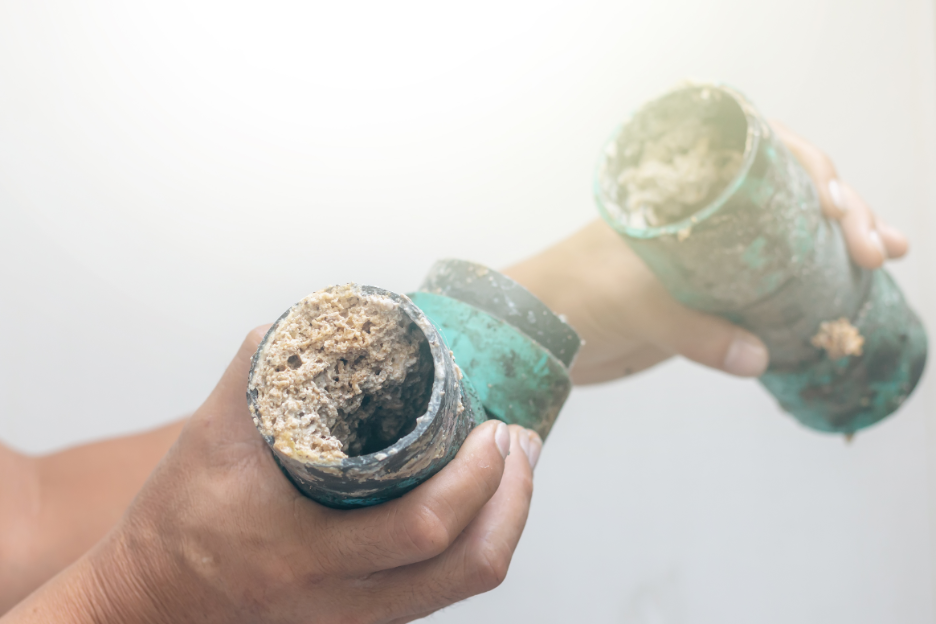
A slow drain is not a problem you can ignore for long. Water should flow smoothly through your pipes — and when it does not, something inside the plumbing has changed. Below, this residential plumber in Highland Park, Illinois is going to explain what you can safely do on your own before calling a professional.
A slow drain almost always means that something is blocking the flow of water.
In a bathroom sink or shower, the most common causes are hair and soap residue. These two combine over time and form a thick and sticky mass that sticks to the inside of the pipe. The buildup is small at first so you may only notice the water taking a little longer to drain. But as it grows, the opening inside the pipe becomes narrower and the drain slows down even more.
In a kitchen sink, grease is usually the biggest problem. As the grease cools, it becomes solid and sticks to the pipe walls. Bits of food then get trapped in the greasy layer and the passage for water becomes tighter by the day.
One thing you should check is how many drains in your home are slowing down. If it is only one drain, the problem may be limited to that specific sink or shower. But if multiple drains are slow at the same time, it can be a problem with your main water line.
A good residential plumber in Highland Park, Illinois will always ask if the problem is isolated or happening all over the house. Your answer will then help them narrow down the cause and define the next steps to solve the problem.
The first thing you can check is the drain opening itself. Many slow drains are caused by waste buildup at the top. So, if your sink has a stopper, pull it out and check under it. You may see a small clump of hair, soap film or other buildup.
If clearing the opening does not help, you can use a plunger. A plunger can push and pull water through the pipe to loosen small clogs. If you happen to have a small drain snake, you can carefully push it down the pipe and pull out hair or small clumps of buildup.
You could also flush the drain with hot water. This will not break through a tough clog, but it can melt or soften grease and soap residue. Beware of using boiling water if your home has PVC pipes.
One thing that you must avoid is chemical drain cleaner. These products promise quick results, but they are harsh and can severely damage your pipes over time.
If you have tried everything you could but the drain is still slow, that can be a sign of a deeper blockage in the pipes. At this stage, anything you do on the surface is not going to reach the problem.
Your drain may also give you other subtle warnings. For example, you may hear a gurgling sound or notice a strange smell rising from the drain. It is also possible that water starts backing up into another sink or floor drain.
Once these signs appear, you should pause your DIY work. A plumber has tools that reach farther and see more than anything you can use at home. For example, they use a camera that gives them a clear view of the inside of the pipes. They can then identify if the problem is deeper clogs or tree roots pushing into the line.
An experienced residential plumber in Highland Park, Illinois can also tell you what caused the slow drain problem in the first place and what you can do to keep it from returning.
If your drain is still slow after trying these steps, do not hesitate to contact John J. Cahill Plumbing, Heating & Air Conditioning. As the top-rated residential plumber in Highland Park, Illinois, our plumbers can find the real cause of the problem and get your drains flowing again. Contact us anytime to begin the process.