A sewer backup can quickly become a serious health hazard and cause major property damage. When contaminated wastewater enters a home, it can soak into flooring, drywall, insulation, furniture and personal belongings. Because this water contains bacteria and other harmful contaminants, the situation can escalate if it is not handled immediately.
This is why time is critical when an emergency plumber arrives. If they can easily access the affected areas, they can start evaluating the situation immediately and find the source of the problem.
Below, this emergency plumber in Highland Park, Illinois is going to explain what access points are typically needed when responding to a sewer backup.
Sewer backups tend to appear first at the lowest plumbing fixture in the building. This happens because most residential drainage systems rely on gravity to move wastewater through pipes and toward the main sewer line. When a blockage forms in that main line, wastewater has nowhere to go. So, it starts to rise and push backward through the system.
As a result, the lowest drains in the home are usually the first places where the backup becomes visible. For example, basement floor drains and bathroom fixtures. Homeowners may notice slow draining or water appearing in these fixtures before the problem spreads to other parts of the plumbing system.
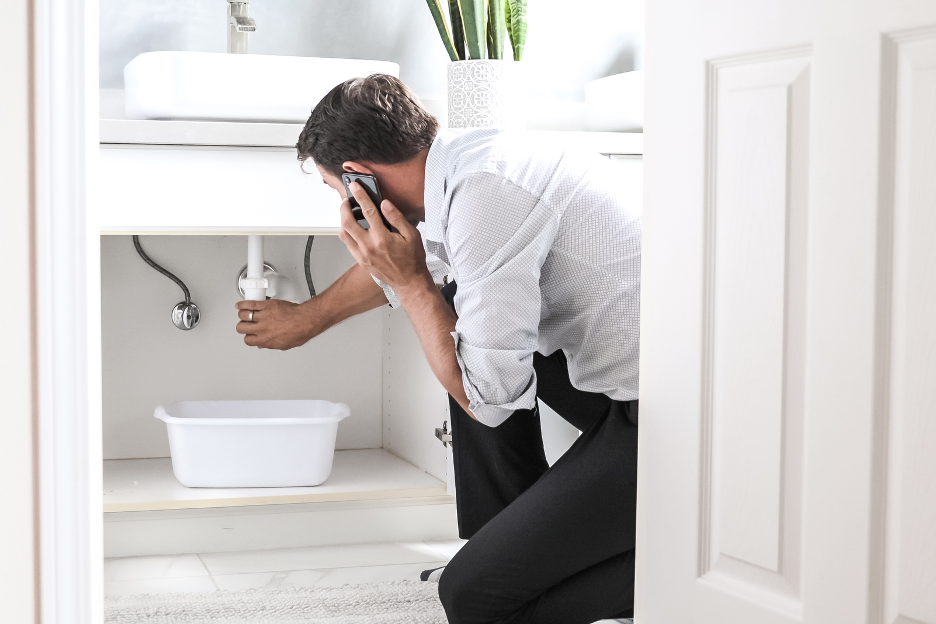
When wastewater reverses direction inside the drainage system, it can discharge through these lower plumbing points. For that reason, an emergency plumber in Highland Park, Illinois will need direct access to any fixtures where water has backed up, even if the visible overflow has already drained away by the time they arrive. These areas can provide valuable clues about where the blockage is located.
One of the most important plumbing access points during a sewer backup is the sewer cleanout. A cleanout is a capped pipe opening installed along the drainage line that allows plumbers to access the interior of the plumbing system. These access points are a necessity in modern plumbing systems because they enable diagnosis and clearing of blockages without dismantling sections of pipe.
According to the International Plumbing Code, cleanouts must be installed to provide proper access for cleaning and maintaining sanitary drainage systems. Through this opening, plumbers can insert specialized tools like motorized drain-cleaning equipment or sewer inspection cameras. Using these tools, technicians look directly inside the pipe and find the blockage.
If multiple plumbing fixtures are affected at the same time, a plumber may need to inspect each location individually. Checking multiple fixtures can help decide how far the blockage extends within the drainage system. This process allows plumbers to decide if the problem is limited to a single branch line or if it extends deeper into the main sewer pipe serving the entire home.
In many situations, the source of a sewer backup is not actually inside the home. Sewer lines extend beyond the foundation of the house and connect to either the municipal wastewater system or a private septic system. Because a large portion of this piping runs underground, problems can quietly develop outside the home.
There are many common causes of sewer line blockages outside the structure. One of the most common is tree root intrusion. Tree roots naturally seek moisture and small cracks in underground pipes can allow roots to enter and gradually grow inside the line. Over time, these roots can restrict wastewater flow.
For this reason, plumbers may need access to exterior cleanouts or the location where the sewer line exits the home’s foundation. In some cases, plumbers may need to bring inspection tools and drain-cleaning equipment from their service vehicle directly to these outdoor access points.
An emergency plumber in Highland Park, Illinois may also perform a sewer camera inspection to get a clear view of the pipe’s interior condition. These waterproof cameras are inserted directly into the sewer line and transmit live video back to the technician. With this inspection, plumbers can detect cracks, root intrusion, pipe collapses, blockages or other structural problems that could be causing the backup.
If you are dealing with a sewer backup or signs of a clogged main line, John J. Cahill Plumbing, Heating & Air Conditioning can help. As the top-rated 24/7 emergency plumber in Highland Park, Illinois, we help homeowners restore their plumbing systems to a safe, functional state as quickly as possible. Contact us anytime for a free estimate.